Feb, 2018
White Box Gallery & Gallery 66, Connecticut College
Overview
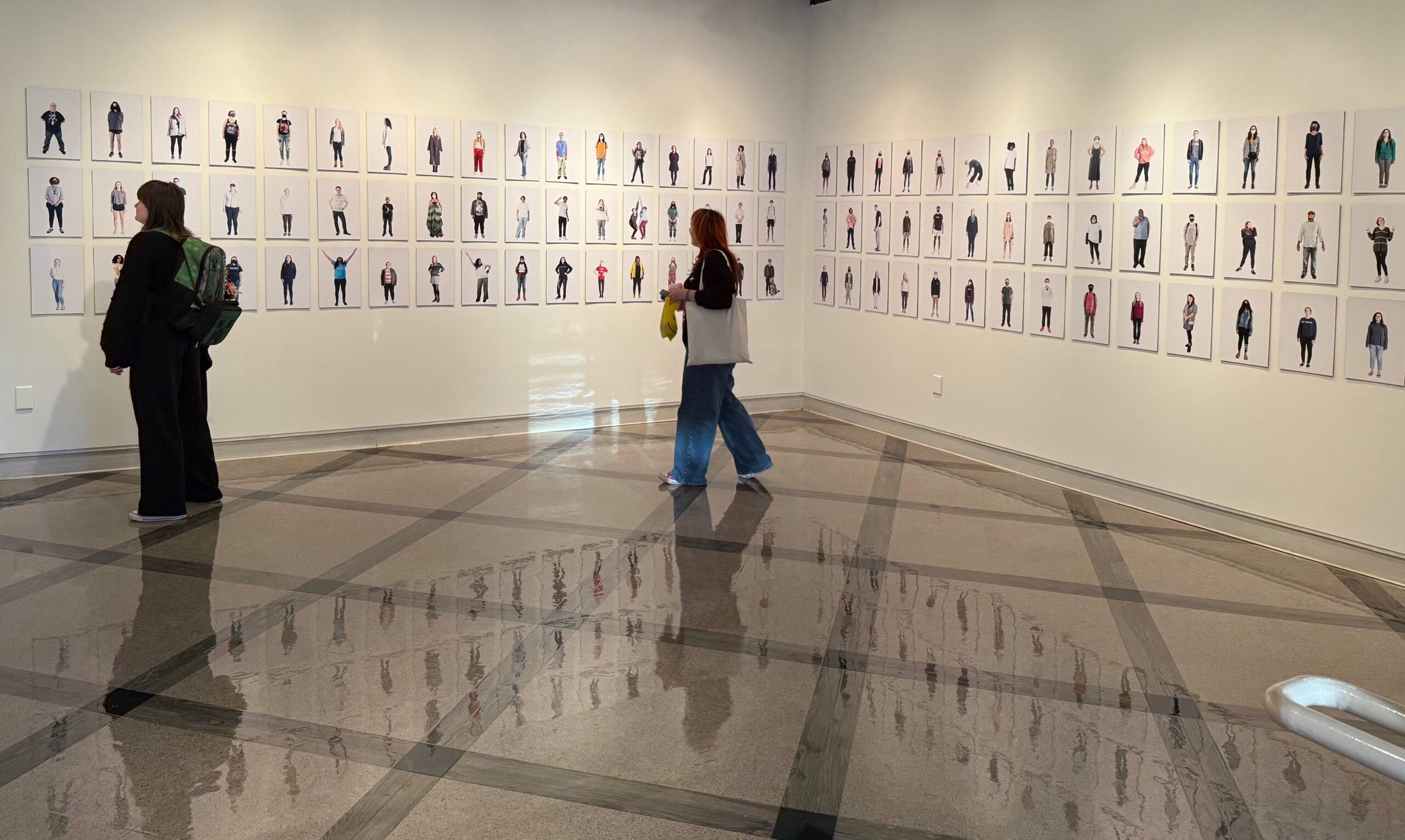
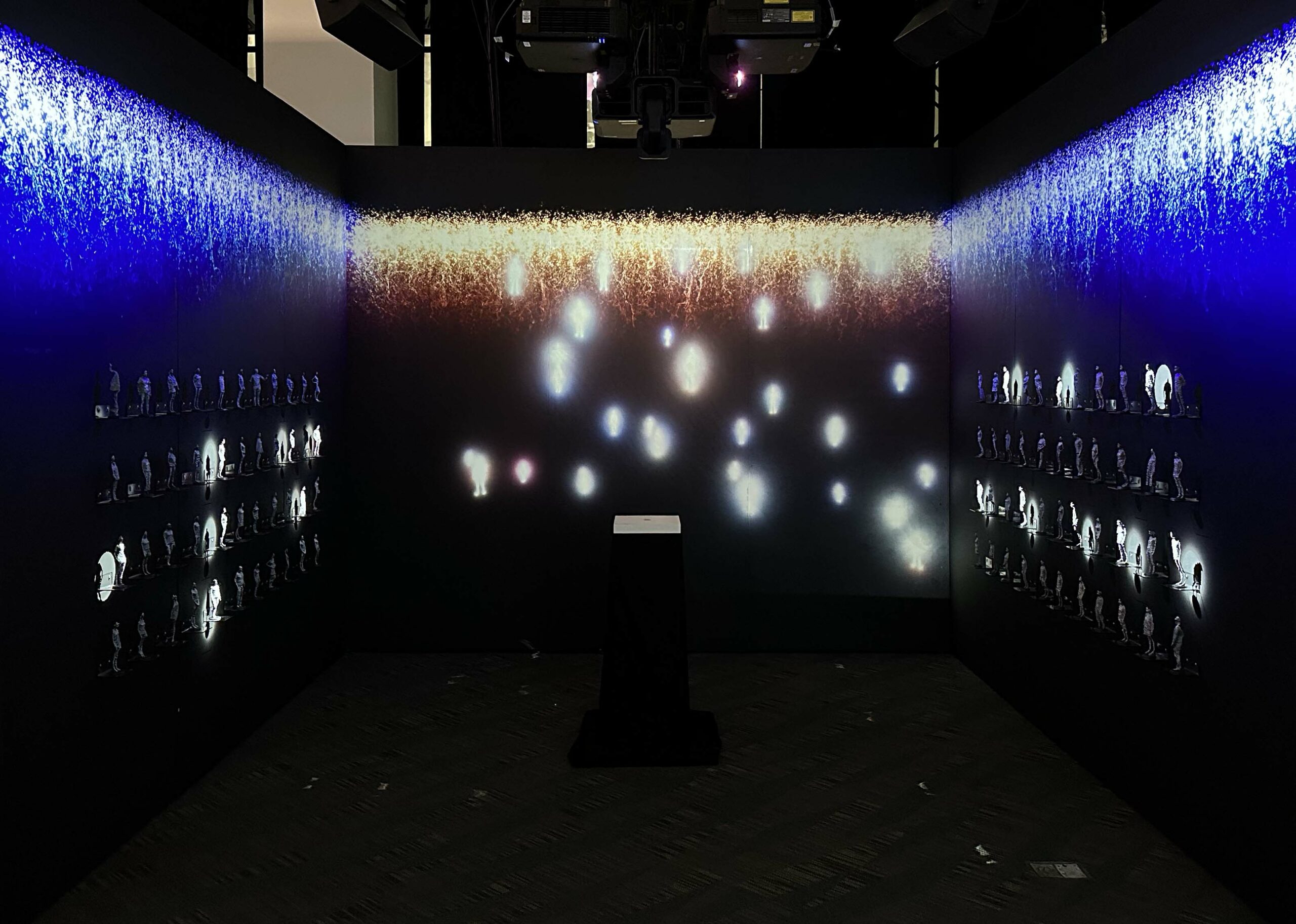
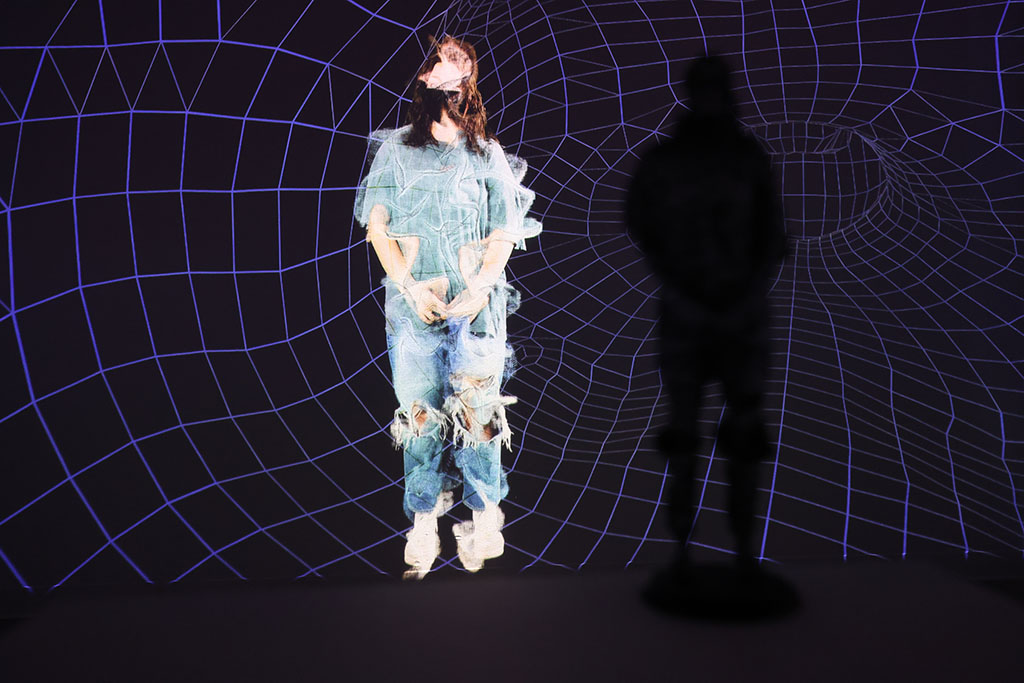
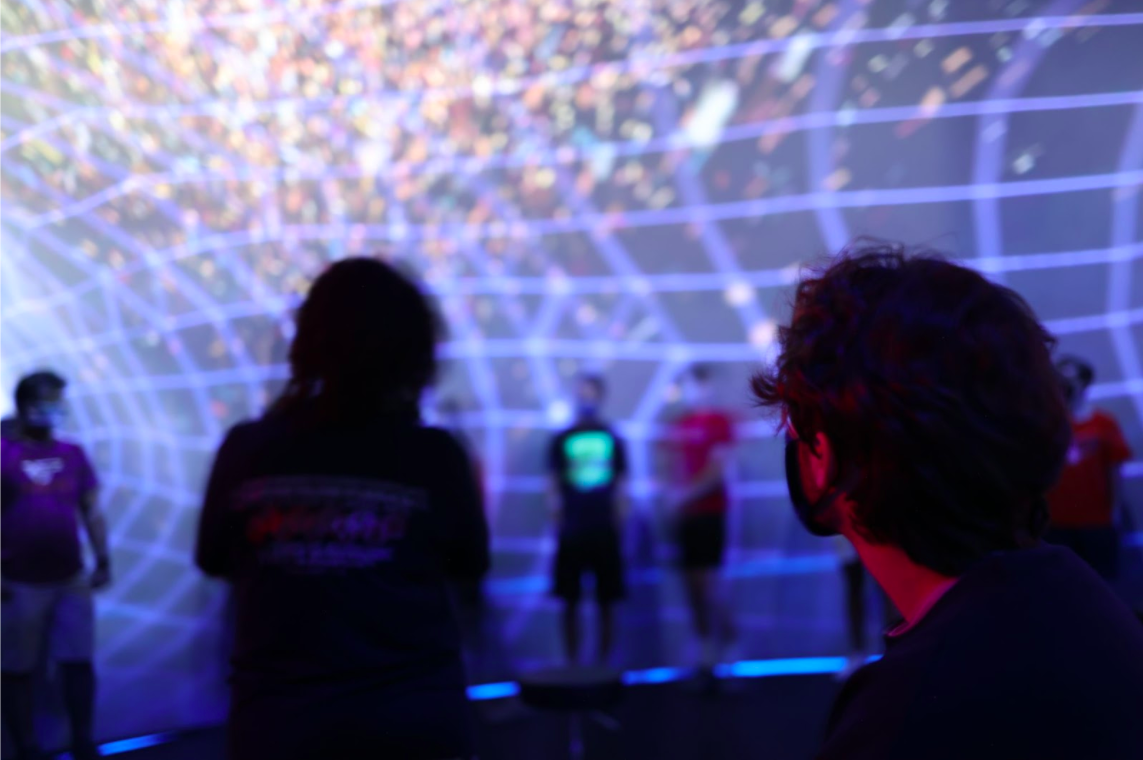
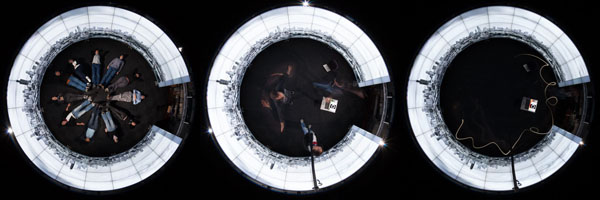
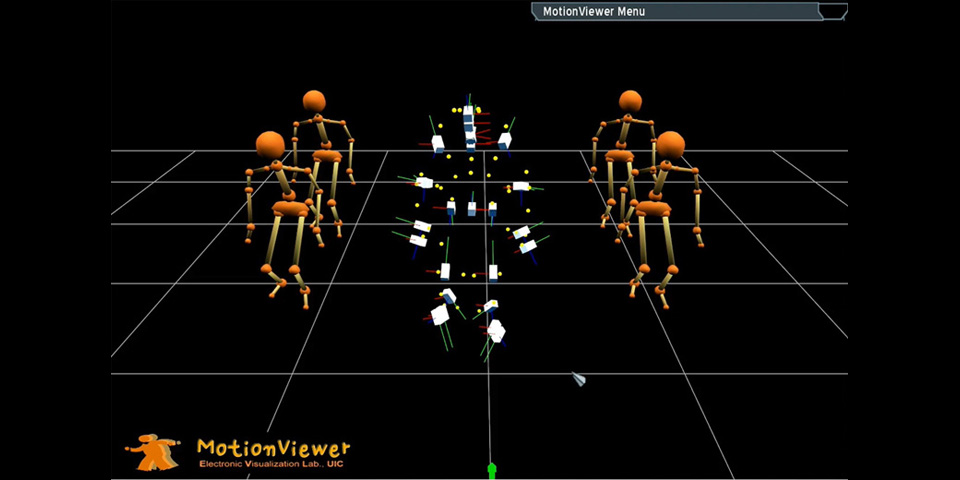
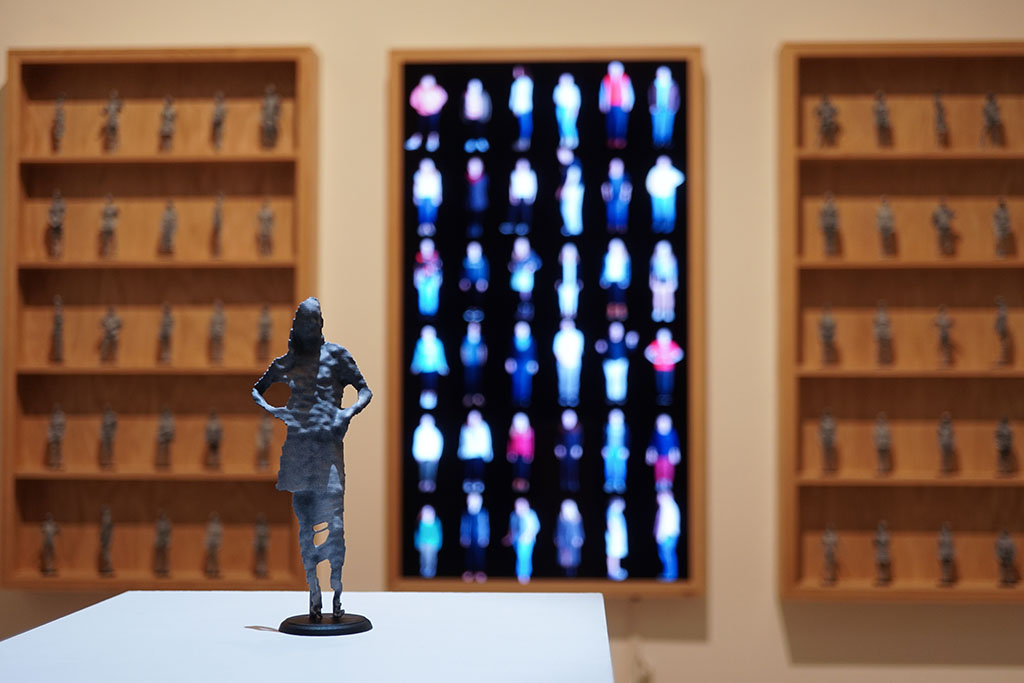
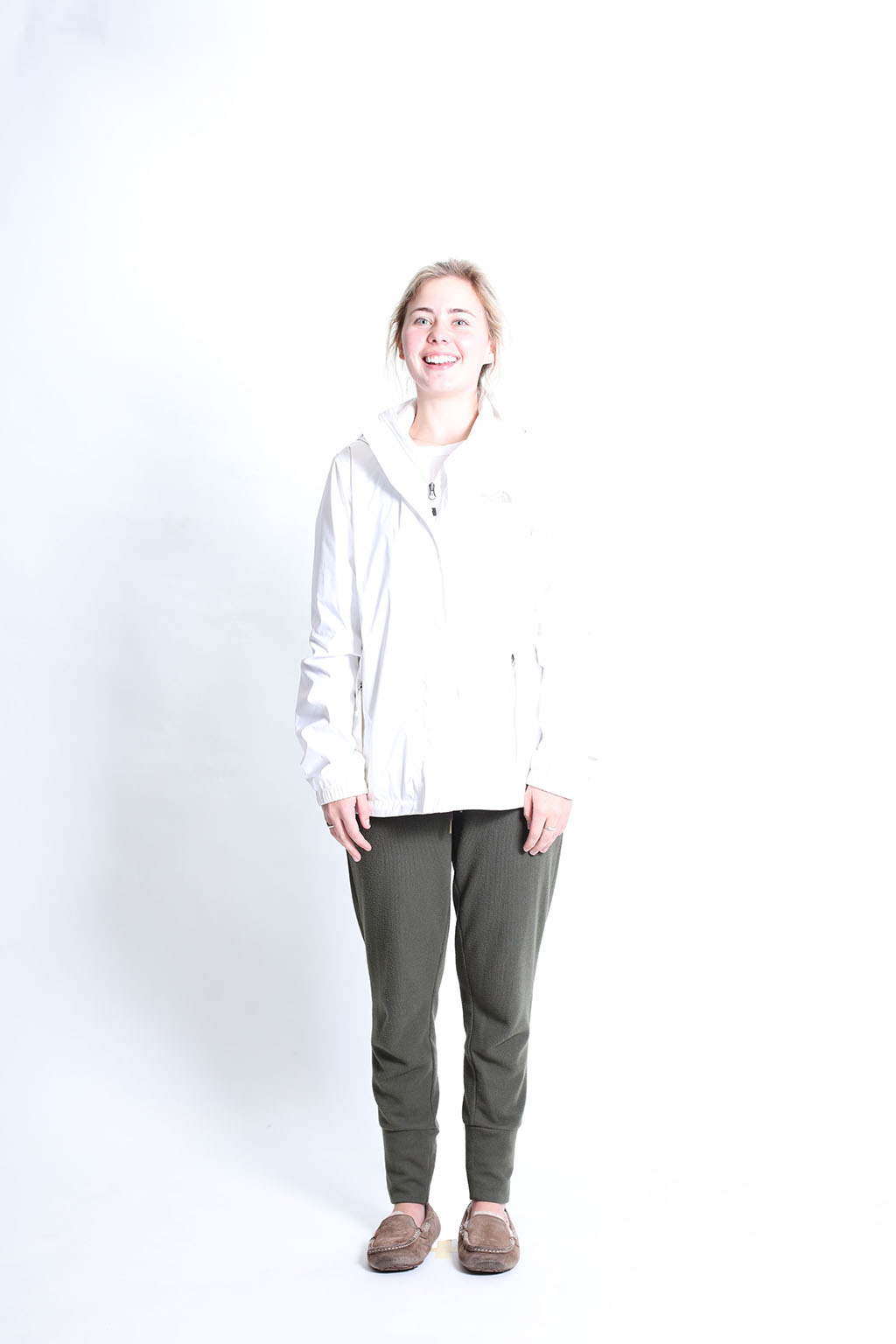
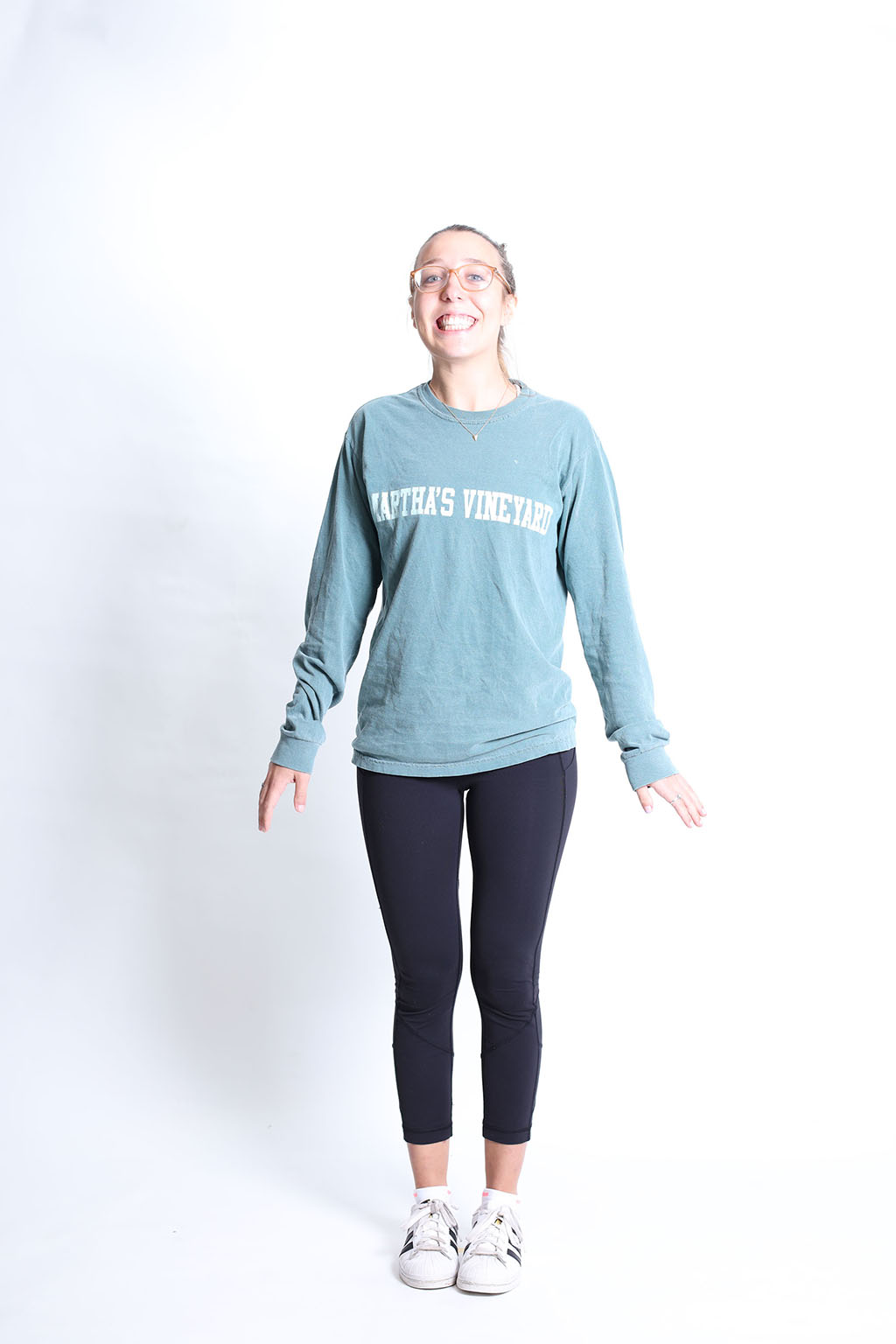
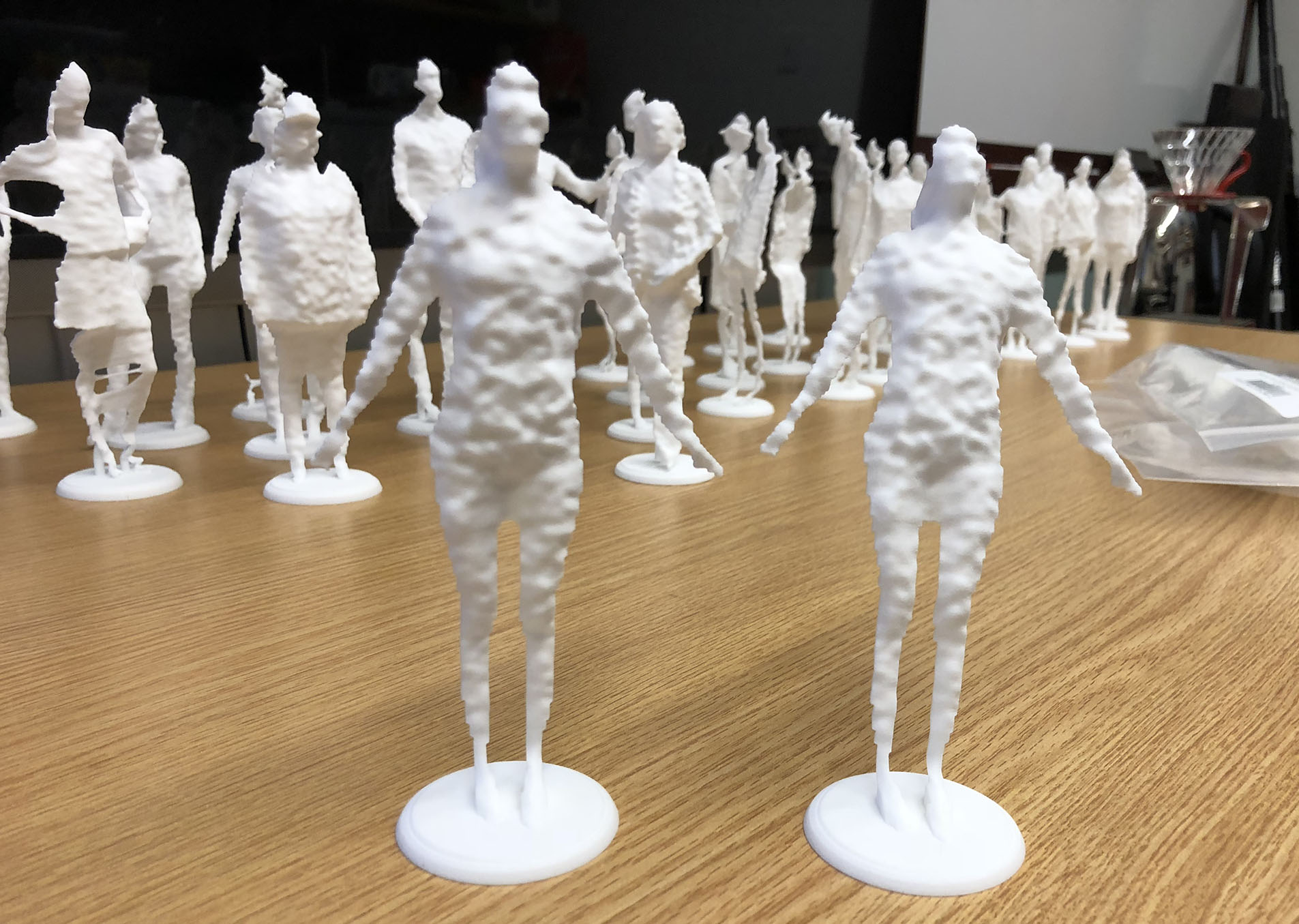
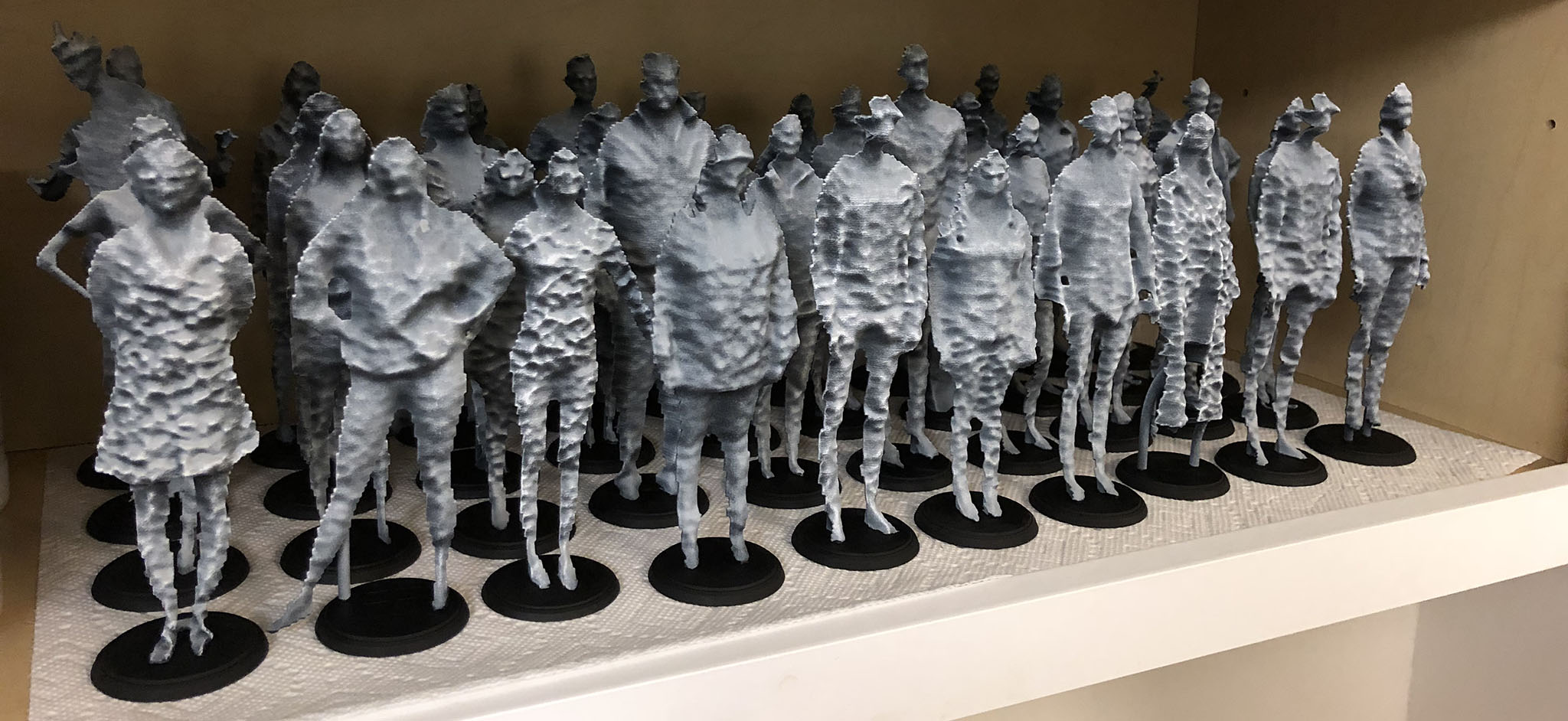
The Reminiscence presents a digital (re)creation of posture portrait taking practice in the past with the current generation of students and advanced technology. Although most evidence of past practice had been destroyed, memories from past experience were engraved in people's minds, who were students during the late 1920s to the 1960s. We called for the current college community to participate in the process of (re)creating the Posture Portraits to raise awareness of this history and to capture our bodily reactions. We obtained data including 2-dimensional images as well as 3-dimensional data to generate abstract visualizations of the photo-taking experience. The physical presence of participants was materialized as a miniature scale sculpture through 3D printing technology and this sculpture is an interface to trigger the presentation of the individual participant's experience. The work is composed of a wall-mounted display, a collection of 3D-printed sculptures, and a sculpture detection platform. This exhibit was installed at White Box Gallery and Gallery 66 during a 16th biennial symposium hosted by the Ammerman Center for Arts and Technology.
The Installation Video
The Installation Video
Data Acquisition, Processing, and Visualization Prototype
Data Acquisition, Processing, and Visualization Prototype
Particle Simulation
The particle simulation in The Reminiscence is designed to represent the destruction of evidence. The evidence of photo-taking practice at the College had been discarded without any records and we created abstract visualization by transforming a photo to dissolving pixels away. Each photo has about eight million pixels in 4k resolution. The simulation initiates particles from pixels and drives them based on turbulence simulation using 3D Perlin noise. Driving eight million particles in 3D space requires a massive amount of calculation in real-time and the CPU is not capable of producing the necessary frame rate for an interactive application. We solved this issue by taking computation load to GPU and achieved over 100x speed up. Below images show the progression of pixel dissolving particle simulation for two example data.
3D Printed Sculpture
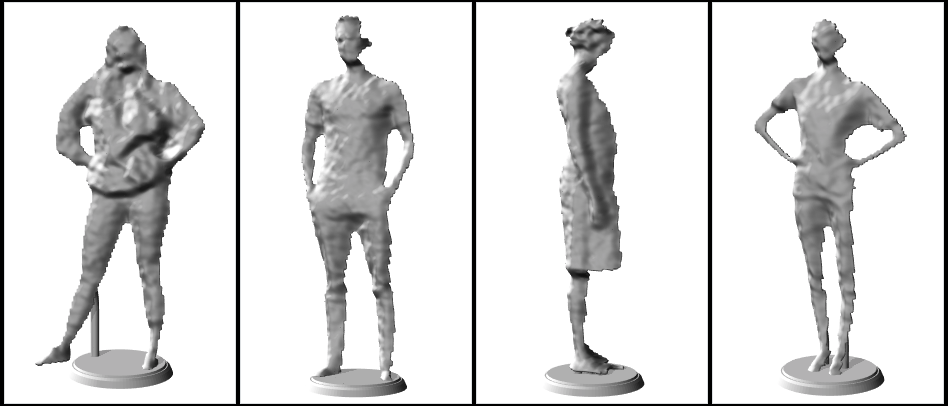
The recorded 3D point cloud data is used to reconstruct a 3D mesh model and then the polygonal surface model was extruded to create a thin 3D shape.
The Final Installation
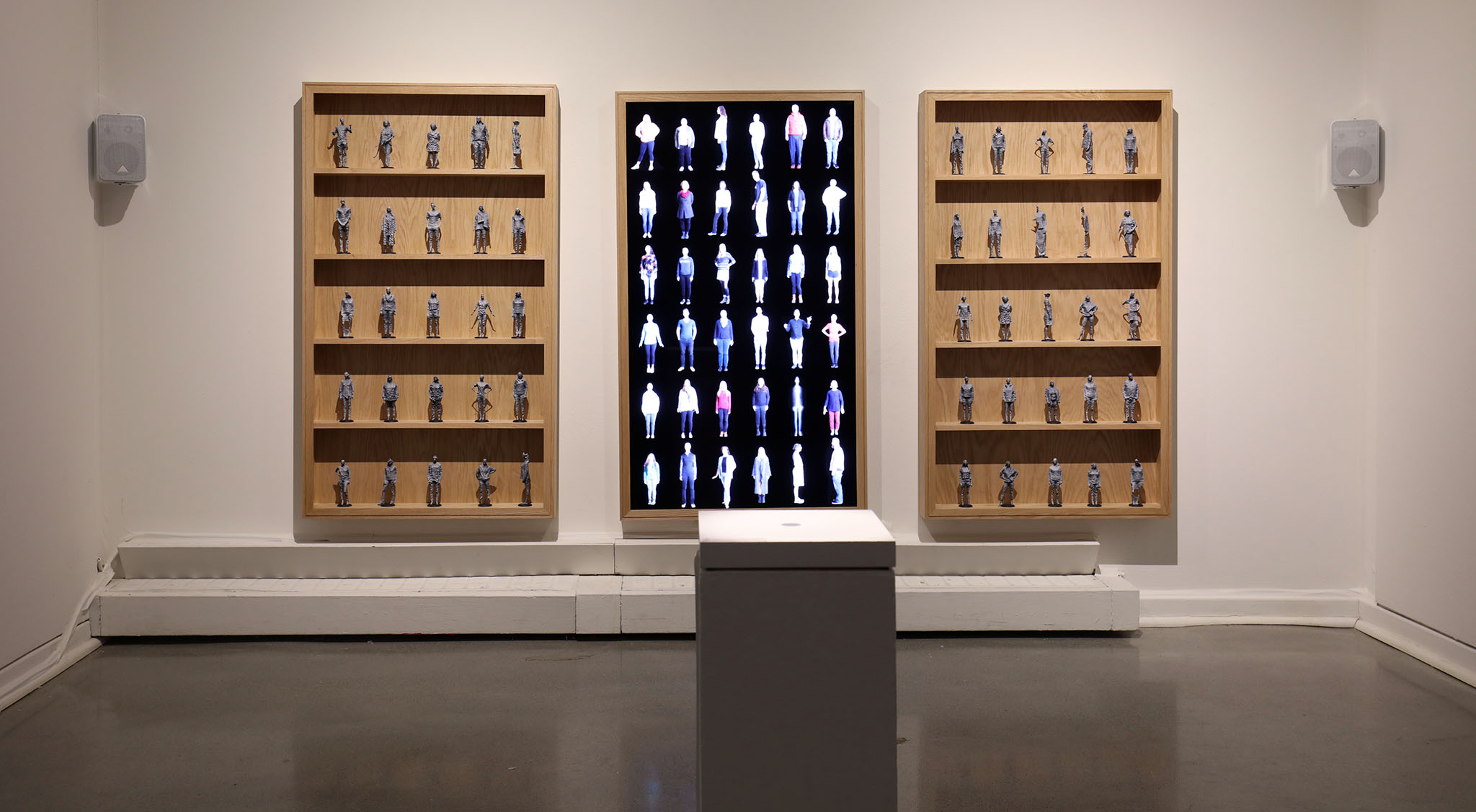
The final work was installed at White Box Gallery measuring 13 feet wide by 20 feet long. It is composed of the following: a 65-inch OLED Display in the center of the wall for data visualization; two custom shelvings on each side of the screen to display 50 sculptures; quad speakers at each corner of the space to render 3D spatial sound; a small podium in the middle of the space for a user to place a sculpture on top of the podium to trigger interactive visualization for the sculpture, equipped with an RFID tag reader and a microcontroller; and three Philips Hue light bulbs for an interactive lighting effect.
Acknowledgment
This work is a part of the (Re)creating the Posture Portraits research project and is funded by a Faculty Research Grant from the Ammerman Center for Arts and Technology, the Jean C. Tempel '65 Computer Science Assistant Professorship, the Summer Science Research Institute program, and a Research Matters grant by the Office of the Dean of Faculty at Connecticut College. We appreciate the Ammerman Center's generous support for this project. We also thank the participants who volunteered for the "Re-Production" of the posture photographing event where we collected photographs and 3D data, Connecticut College alumni who were willing to share their posture-photograph experience with us, Shawn Hove and Grzegorz Surman who helped us design and build the framing and shelving, and Andrea Wollensak and Libby Friedman for their ceaseless support for our work.