Aug, 2023
Los Angeles Convention Center, Los Angeles, CA
Exhibition Overview
The 2023 presentation of The Reminiscence marked a significant milestone for the project, as it was juried and selected for inclusion in the ACM SIGGRAPH Art Gallery. SIGGRAPH, widely regarded as one of the most influential venues for computer graphics and interactive technologies, provided a highly visible and competitive platform for the work. This staging extended the project's reach beyond academic and gallery contexts into the heart of a global technology conference, placing its speculative archival inquiry into direct dialogue with industry-leading visual and interactive innovations.
Conceptual Positioning
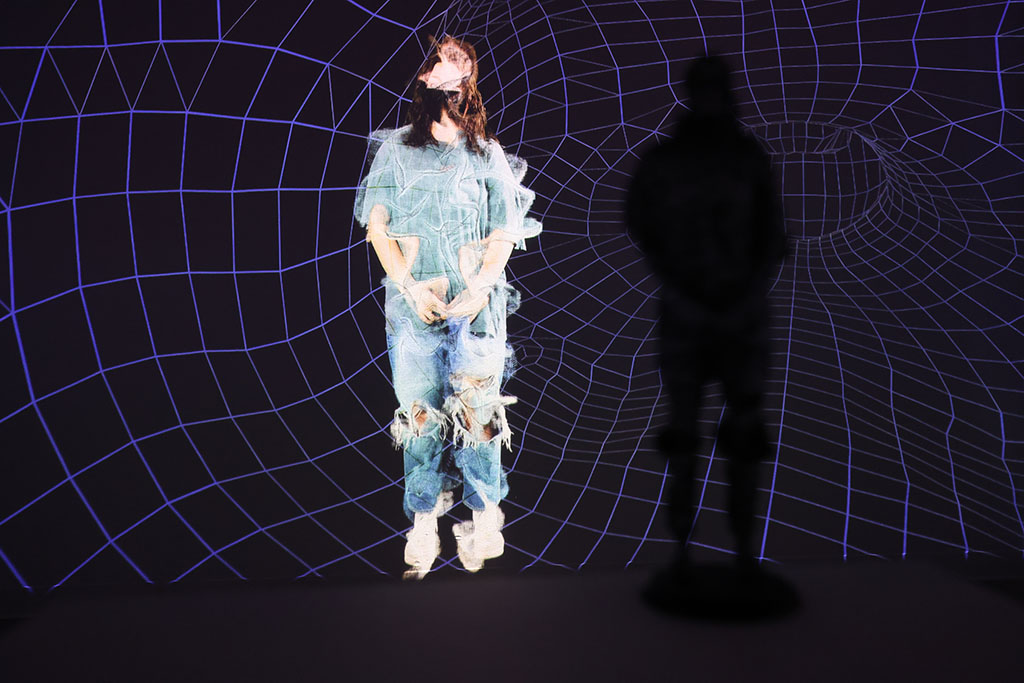
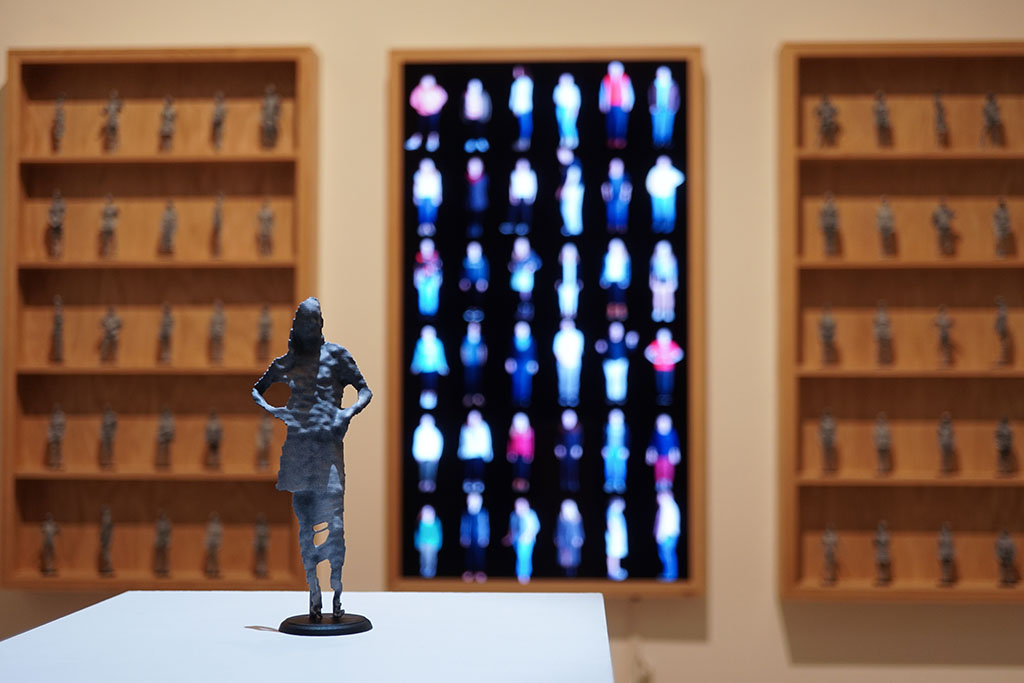
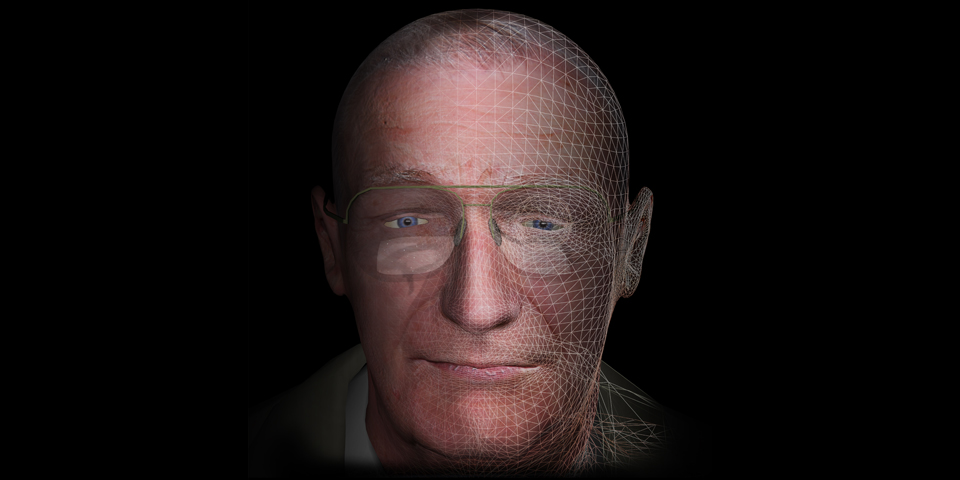
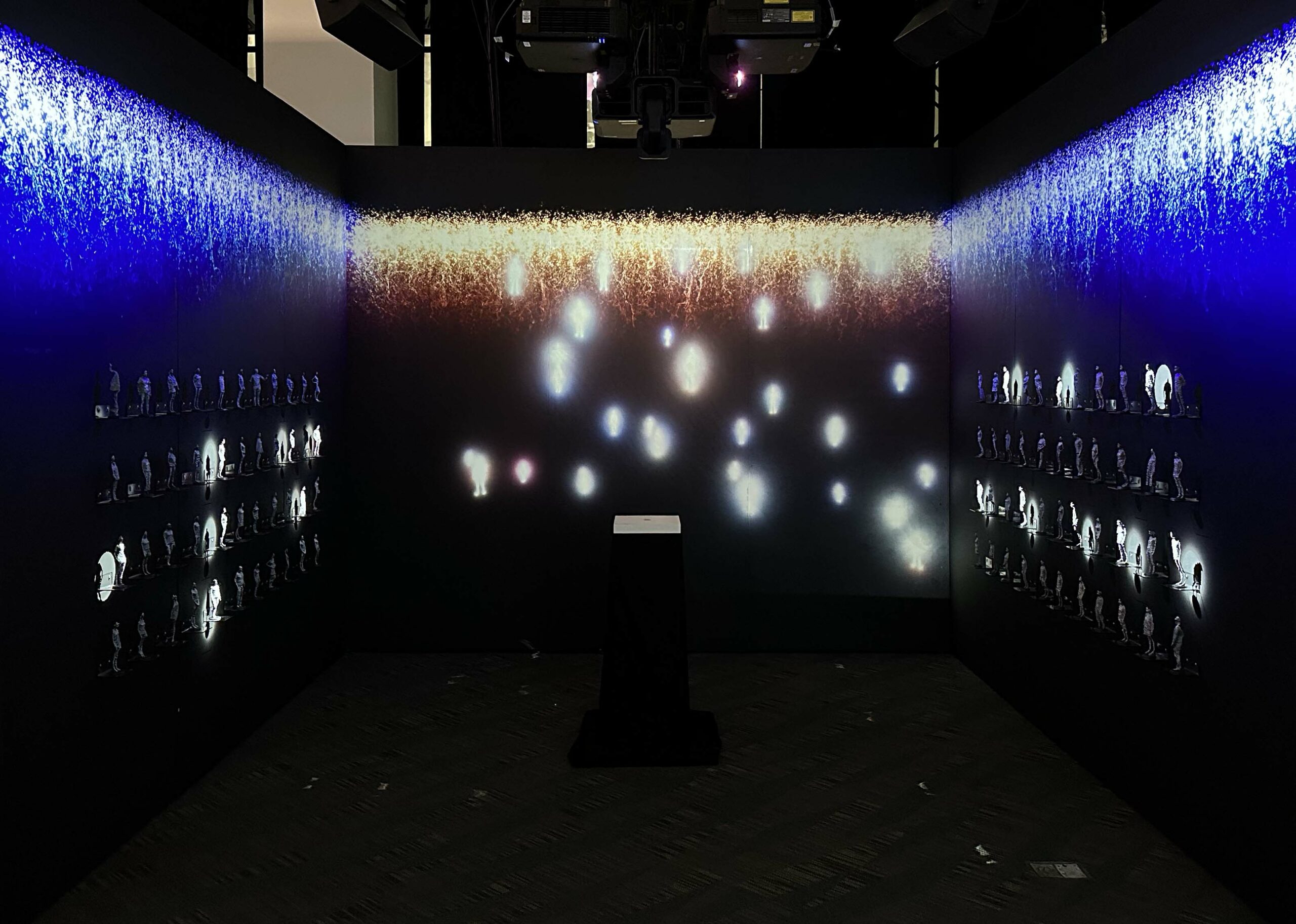
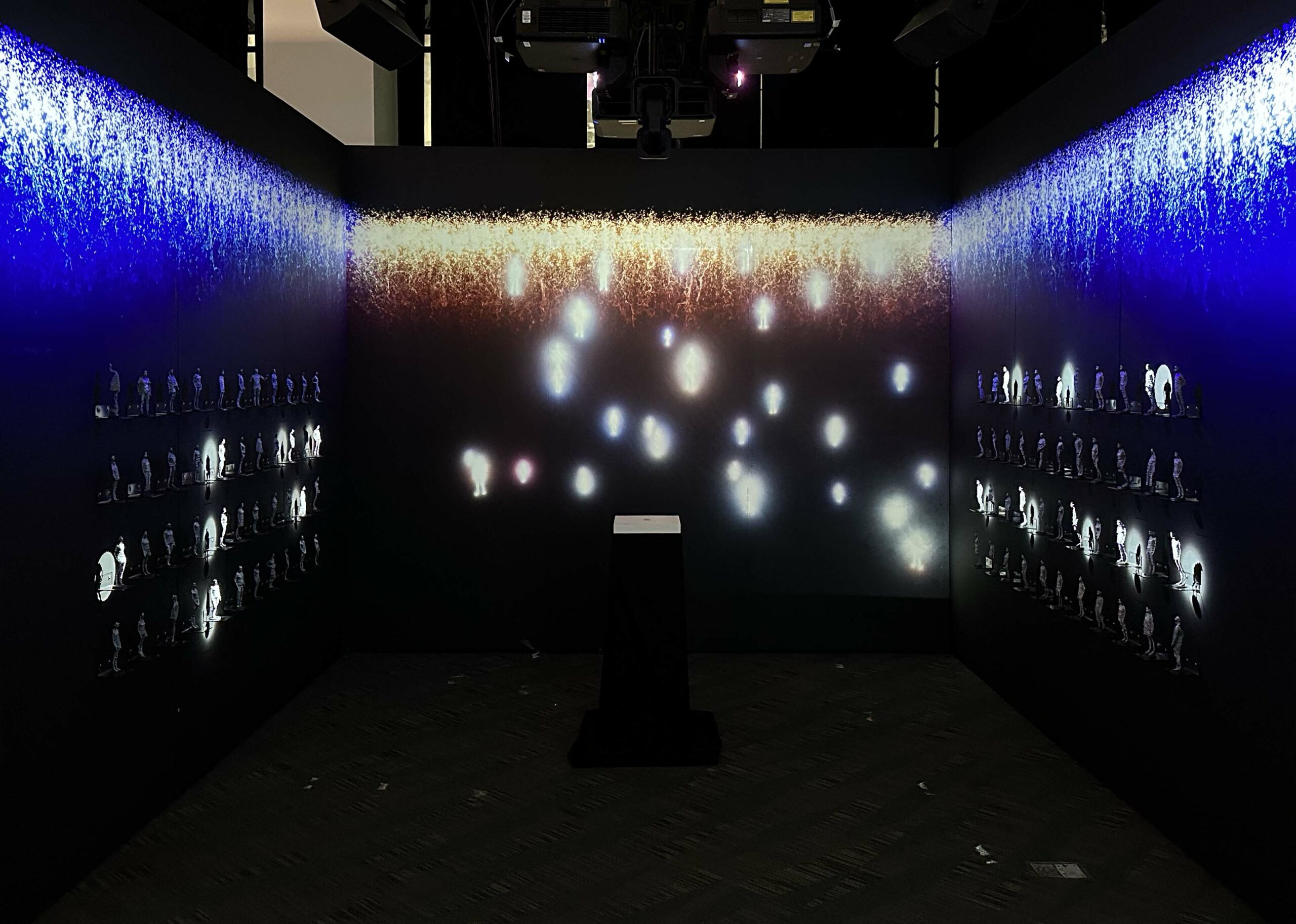
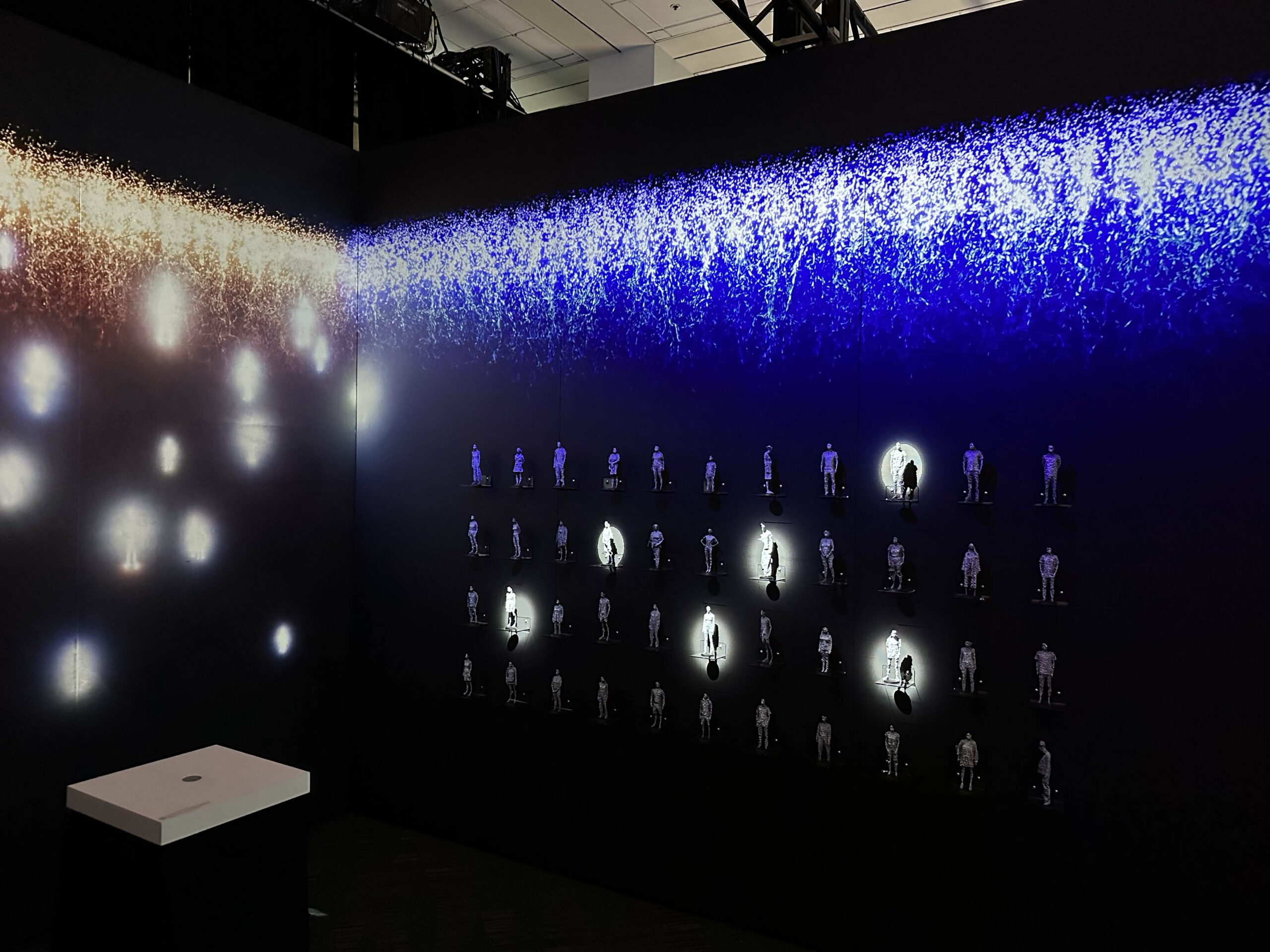
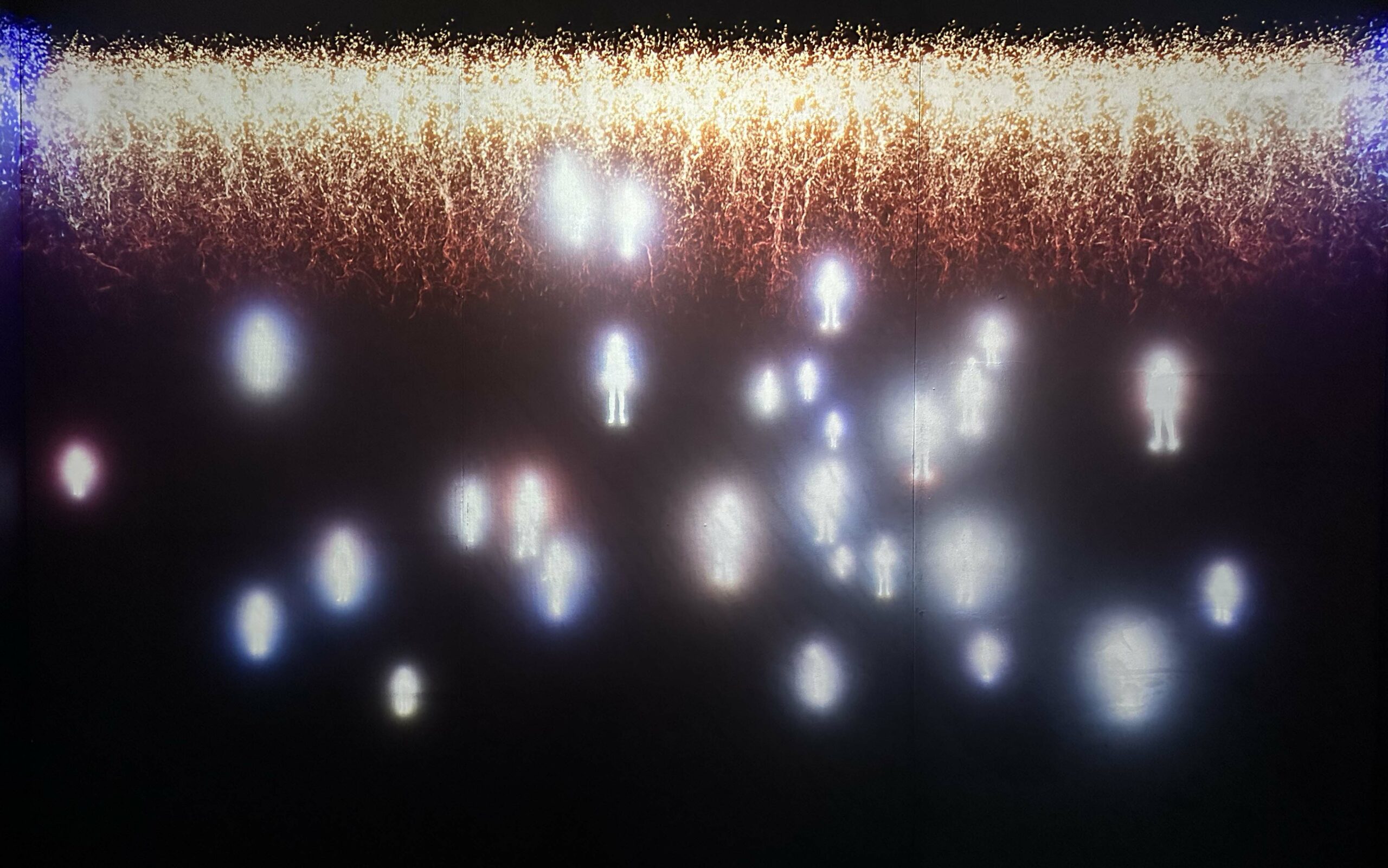
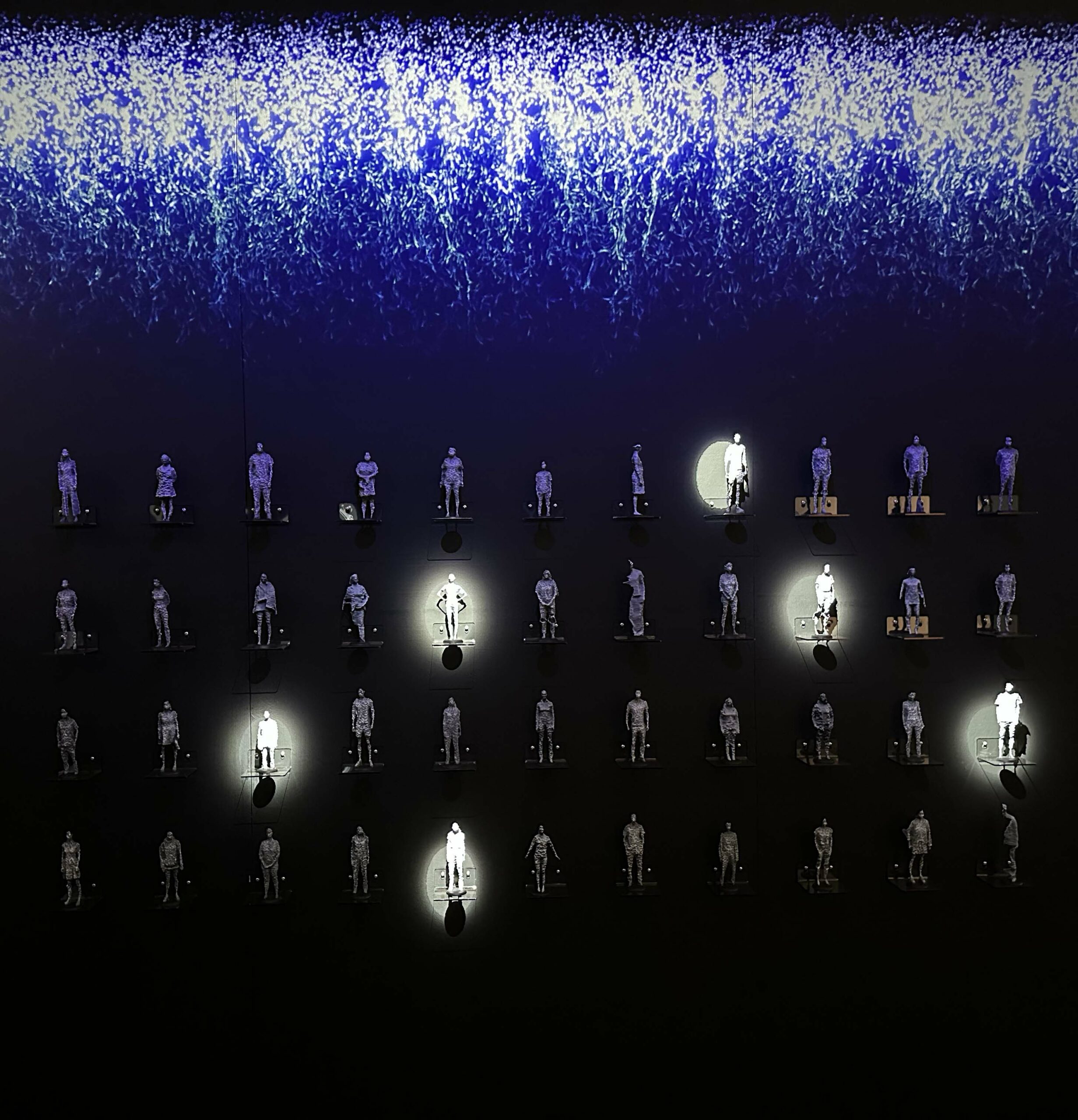
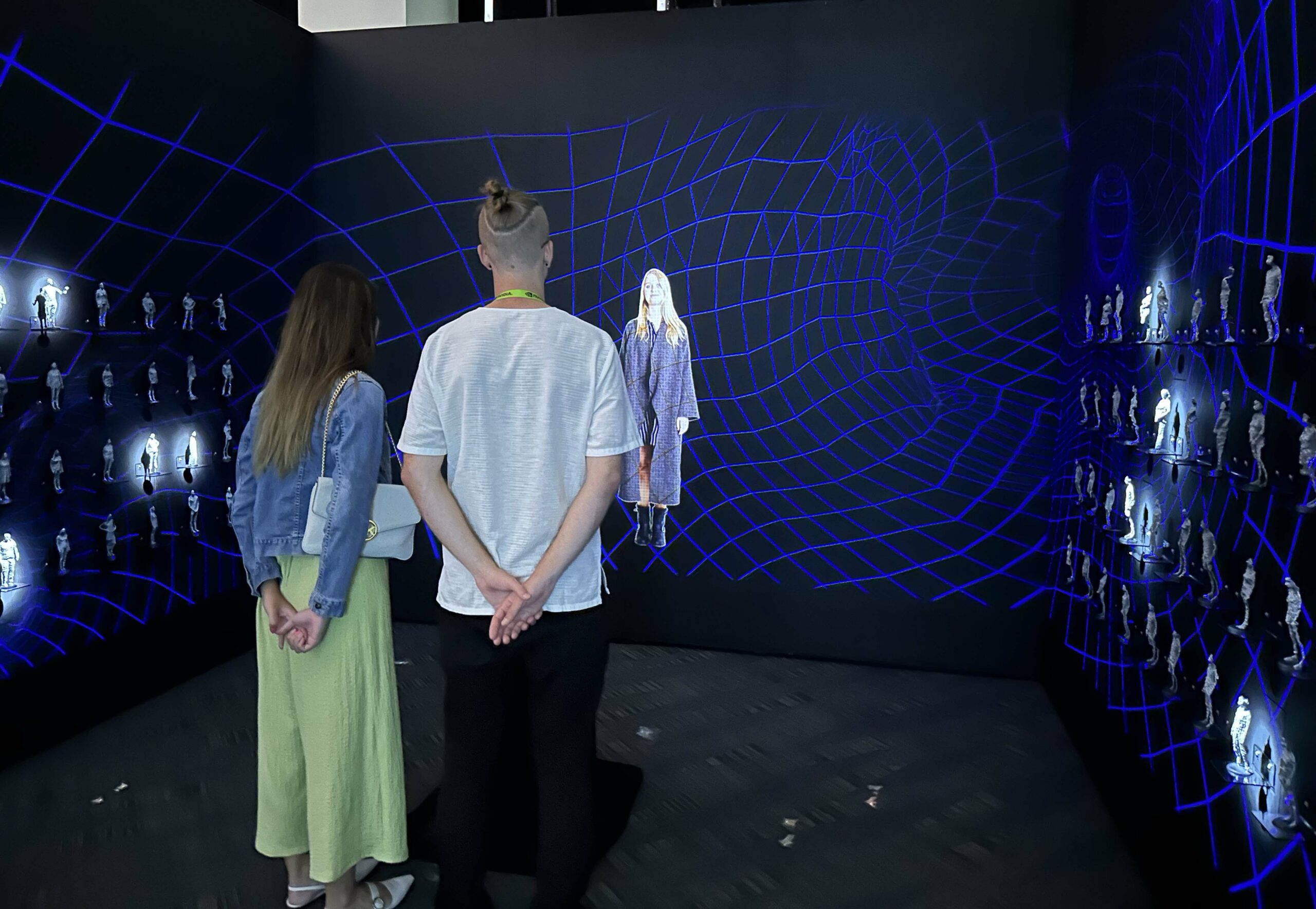
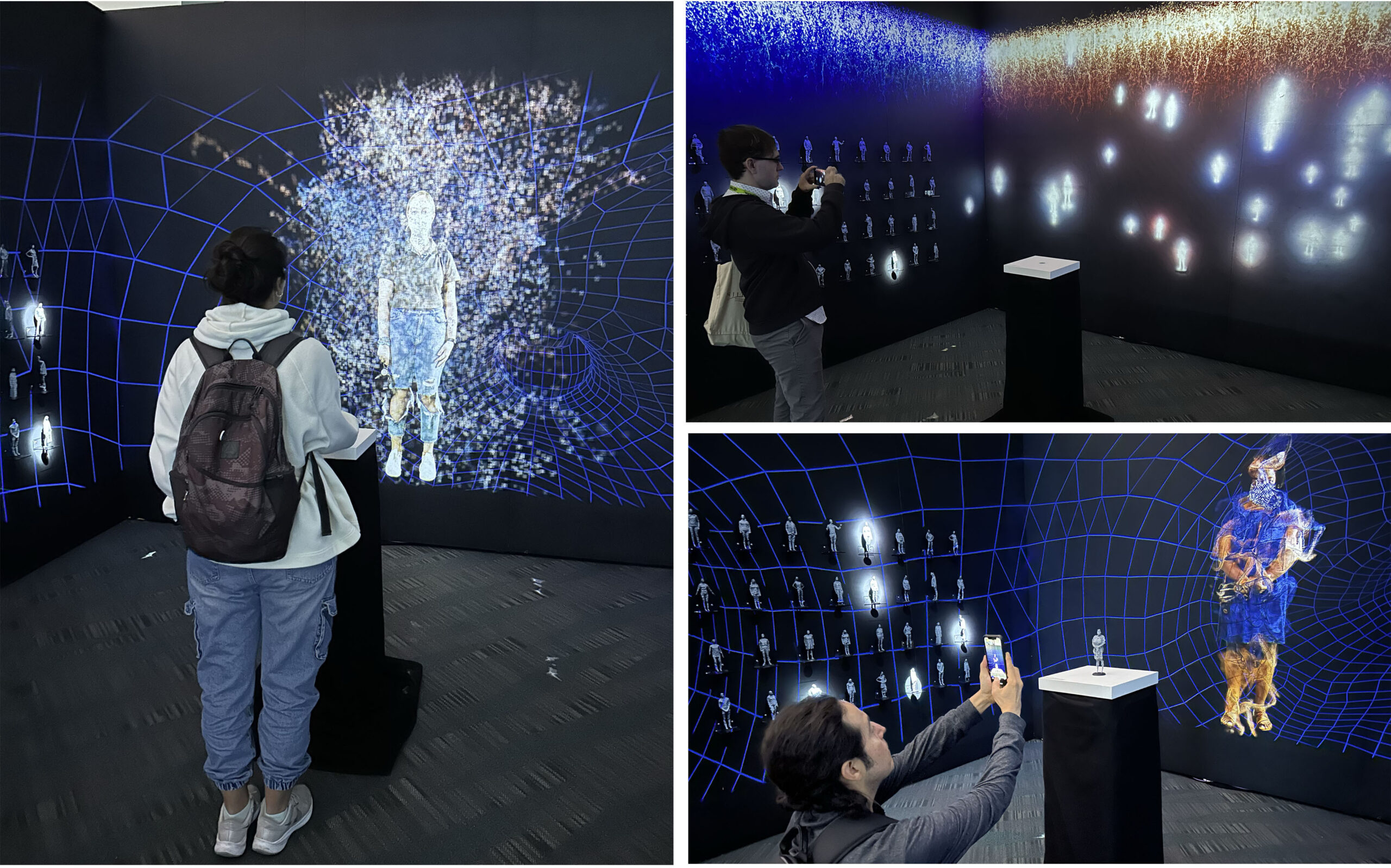
The installation's presence in this environment created a productive tension with neighboring exhibits that often celebrated technological novelty without interrogating its historical inheritances. The Reminiscence countered this trend by foregrounding the racialized and gendered logics of control embedded in archival practices and their technological successors (Browne, 2015; Campt, 2017). Visitors encountered the immersive mesh body visualization — slowly disappearing and reappearing in real time — alongside tangible sculptures linked to participant narratives. These encounters prompted pointed questions: whose bodies are rendered into data, and what does it mean to see — or fail to see — those bodies in institutional repositories? The sustained engagement of SIGGRAPH attendees underscored the continued urgency of addressing the politics of recognition, data, and embodiment in technological cultures.
Cross-Institutional Resonance
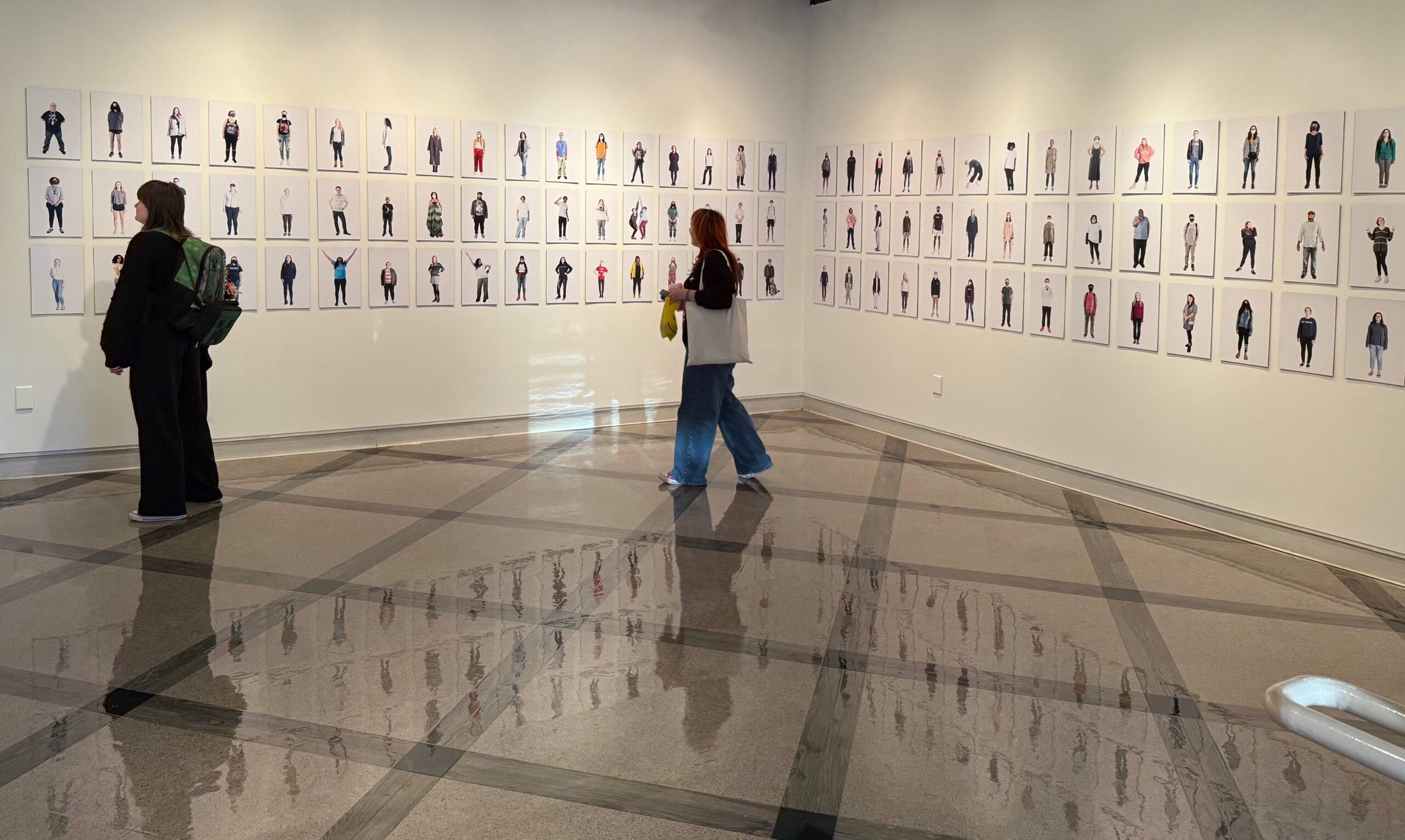
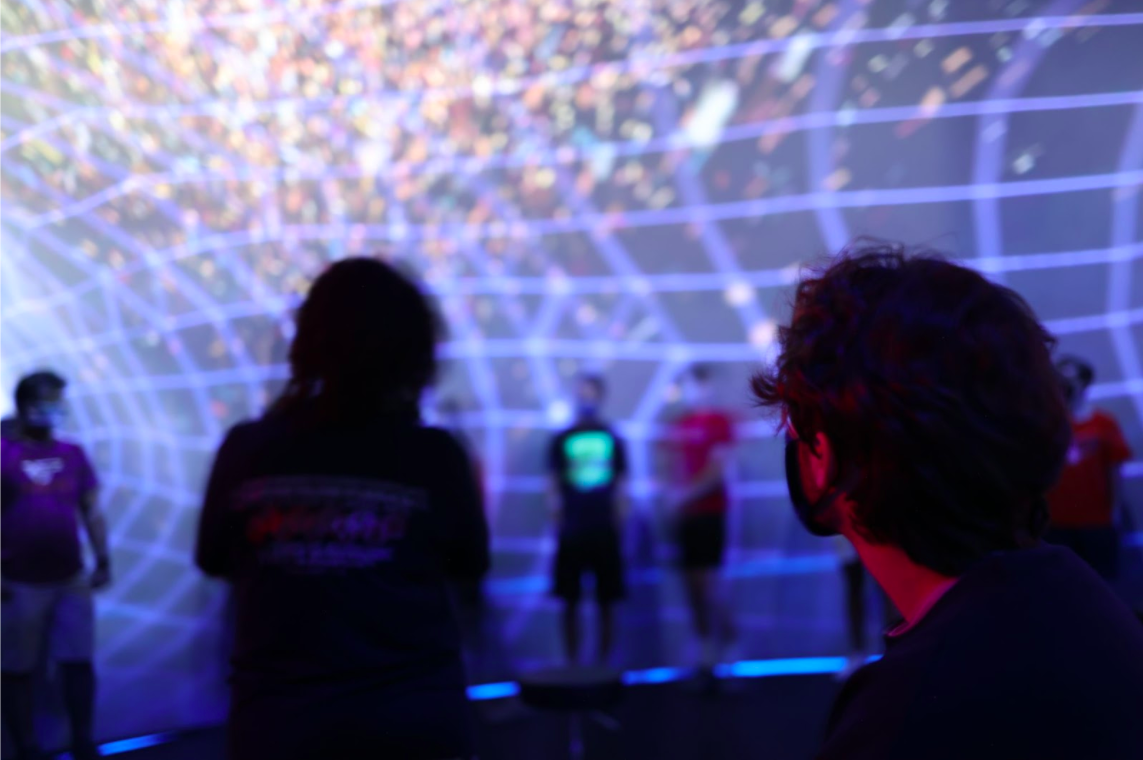
The SIGGRAPH installation reinforced the project's cross-contextual adaptability and critical edge. Whether positioned on the walls of an art school, in the 360-degree projection of a university black box theater, or on the floor of a technology conference, the work resisted passive consumption. Its slow temporal rhythms and deliberate use of projection distortion and decay invited viewers to dwell with histories of bodily inscription and erasure, rather than to simply "consume" an aesthetic object. This staging furthered the project's ongoing argument: technologies of vision and representation can either reproduce the extractive logics of surveillance or be reoriented toward witnessing, ethical recognition, and alternative ways of knowing (Benjamin, 2019; McKittrick, 2022).
Technical Adaptations
While the conceptual and interactive framework remained consistent with earlier iterations, the SIGGRAPH presentation required specific technical adjustments to meet professional display standards. The installation employed a high-end laser projection system to increase brightness and contrast on black-painted walls. This configuration enabled deep black rendering — critical to the aesthetics of the mesh-body visualization, which relied on high dynamic range to articulate moments of near-total disappearance and re-materialization. The tactile dimension of the work was preserved through the inclusion of participant sculptures, each equipped with an RFID tag for triggering visual and narrative sequences. These elements were integrated to maintain the balance between physical engagement and immersive media central to the project's methodology.
Significance and Outcomes
Recognition by the ACM SIGGRAPH Art Gallery signaled both the artistic and technical strength of the work, situating it within a broader discourse on digital art, interactive systems, and interdisciplinary collaboration (Eber, 2002). The exhibition also proved to be a generative networking space, facilitating exchanges with computer scientists, media artists, and technologists. Conversations ranged from the ethical dimensions of data capture to emergent modes of interactive storytelling, broadening the project's intellectual and creative horizons. The professional connections forged during SIGGRAPH directly contributed to securing the project's subsequent exhibition at the Pennsylvania College of Art and Design in 2024. This trajectory demonstrated how the work's thematic concerns and technical execution resonate across art, technology, and academic communities, and how cross-sector dialogues can catalyze new opportunities for collaboration, research, and creative development.
References
Benjamin, R. (2019). Race after technology: Abolitionist tools for the new Jim code. Polity.
Browne, S. (2015). Dark matters: On the surveillance of Blackness. Duke University Press.
Campt, T. (2017). Listening to images. Duke University Press.
Eber, D. S. (2002). ACM SIGGRAPH art show archive: A brief history. Computers & Graphics, 26(1), 103–111.
McKittrick, K. (2022). Dear science and other stories (2nd ed.). Duke University Press.